

When Wedding Dreams Collide: How to Find Your Perfect Match

Imagine this: one of you envisions saying vows barefoot at sunset in the woods, surrounded by nature’s beauty. The other pictures a grand ballroom with chandeliers, tuxedos, and a live band playing all night. It’s more common than you think for couples to have completely different ideas about what their wedding should look and feel like. And that’s okay. Having different visions doesn’t mean you’re incompatible. It just means you’re two people with your own stories, traditions, and priorities. The good news is, there are ways to make it work so that neither of you feels unheard or steamrolled.
Here’s how to handle it when your wedding dreams don’t exactly match up. When your partner shares an idea that feels totally opposite to what you had in mind, it’s tempting to immediately say “no” or list all the reasons it won’t work. But instead, try to pause. Ask questions. Find out where this idea is coming from. What does it mean to them? Sometimes it’s not just about the location or guest count. It might be about honoring family traditions, feeling connected to culture, or creating a memory that means a lot.
Understanding why they feel that way is the first step to finding common ground. Set aside some time to list your top three wedding priorities. Maybe it’s the food, the atmosphere, the budget, or a specific cultural tradition. Do this separately so you can really think about what matters most to you. Then, share your lists with each other. You’ll probably find some overlaps. Even if your priorities differ, this exercise shifts the focus from “what I want” to “what truly matters.” That makes it easier to find compromises. You might not get exactly what you pictured, but there’s often a way to meet in the middle by focusing on what’s most important about each idea.
For example:
- You want something relaxed outdoors. They want something elegant inside a ballroom. Maybe you host a casual outdoor ceremony followed by a formal dinner.
- They dream of a big guest list. You want a smaller, more intimate celebration. Perhaps you elope or have a micro-wedding first, then throw a big party later.
- You’re all about the vibe. They’re more focused on tradition. Find ways to personalize formal moments so they still feel authentic to both of you.
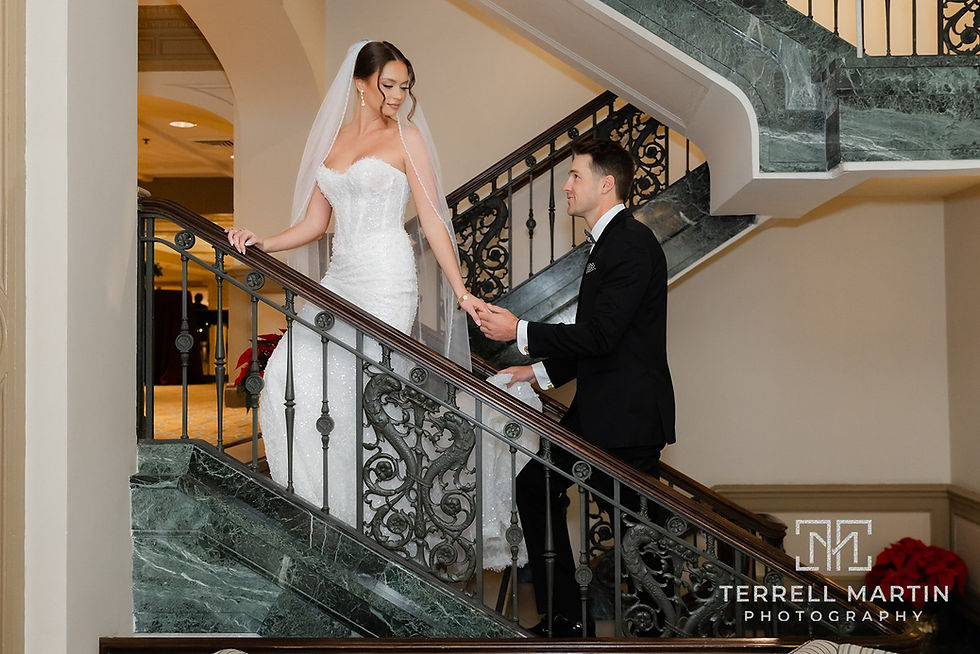
It’s not about choosing one vision over the other. It’s about blending them to create something uniquely yours. You don’t have to say yes to everything just to keep the peace. If something is a dealbreaker, be honest and kind about it. Whether it’s your budget, your comfort level, or a specific tradition, speak up. Your partner should do the same.
Remember, marriage is a journey of compromise. How you navigate these conversations now will set the tone for how you handle disagreements in the future. Speak with care and listen with patience.
If you find yourselves stuck in the same debate over and over again, consider bringing in a neutral third party. A wedding planner can offer fresh ideas and practical solutions you might not have thought of. Or ask a trusted friend or family member who can help reframe the conversation without taking sides. Sometimes, just hearing a different perspective is enough to break the deadlock.
At the end of the day, your wedding is important but it’s not the only thing that matters. It’s the start of your life together. It’s not about “winning” or getting everything exactly how you imagined. It’s about creating something that truly reflects both of you. Disagreements are normal. The goal is not to avoid them but to use them as practice for all the big and small decisions ahead. Even if your wedding day isn’t exactly what you pictured, it can still be honest, beautiful, and deeply meaningful.
And most importantly, it will be yours.


Comments